The Serra de Tramuntana, a unique cultural landscape in the Mediterranean
The Serra de Tramuntana runs almost 90 kilometres along the northwest of Mallorca, from Andratx to the cape of Formentor, separating the island's most rugged coastline from its agricultural interior. It's not just a mountain range: it's a landscape shaped over centuries by human hands, with dry-stone terraces, centuries-old olive groves, water channels of Andalusi origin and paths once used by charcoal burners, ice collectors and shepherds. That's why UNESCO declared it a World Heritage Site on 29 June 2011, in the Cultural Landscape category.
Visiting it combines two very different experiences: touring its villages and viewpoints by car (or on the historic Sóller train) and lacing up your boots to walk trails that have been etched into the rock for generations. This guide brings together what to see, how to get around and the routes that best sum up the mountain range, with updated hours and prices.
What to see in the Serra de Tramuntana
- Valldemossa and the Real Cartuja, with its Chopin tradition
- Deià, the artists' village perched above the sea
- Sóller and Port de Sóller, connected by the century-old tram
- Fornalutx, one of the most charming villages on the island
- Sa Calobra and the Torrent de Pareis, between a vertigo-inducing road and a canyon
- Banyalbufar and Estellencs, with their marjades (terraces) over the cliff
- The monastery of Lluc, the spiritual heart of the mountain range
- Viewpoints such as Ses Barques or Ricardo Roca, with views over the northwest coast
 Premium Tour: Tramuntana Mountains Hidden MarvelsCheck availability →
Valldemossa and the Real Cartuja
Valldemossa is the classic gateway to the mountains from Palma: cobbled streets, pots of geraniums and the silhouette of the Real Cartuja presiding over the village. The monastery, where Frédéric Chopin and George Sand spent the winter of 1838-1839, can be visited inside, with piano recitals included in the ticket price.
The Sóller train and tram, the most beautiful way to cross the mountains
The Sóller train crosses the mountains from Palma in just over an hour, passing through the Coll de Sóller tunnel and looking out over orange groves before reaching the valley. In Sóller it connects with the historic tram that goes down to Port de Sóller, the natural bay where the route ends with a seafront promenade perfect for lunch by the sea.
Deià and Fornalutx, the stone villages
Deià has earned international fame for its light and for having been a refuge for writers such as Robert Graves, but it remains a small village of golden stone houses climbing towards the church. It's worth heading down to Cala Deià, a pebble cove between cliffs, and wandering its car-free lanes. Fornalutx, a few minutes from Sóller, is even more intimate: orange trees in the squares, stone façades and streets so narrow they can only be explored on foot.
Sa Calobra and the Torrent de Pareis
The Ma-10 road towards Sa Calobra (Ma-2141) is one of the most spectacular in Spain: 14 kilometres of hairpin bends descending to the sea, with the famous Nu de sa Corbata, the curve where the road itself passes beneath itself. Below awaits the Torrent de Pareis, a canyon that rises at the S'Entreforc site and opens out between two nearly vertical rock walls in one of the most photographed postcard views of Mallorca. In high season traffic gets congested, so it's worth arriving early or considering coming by boat from Port de Sóller.
The Alfabia Gardens
At the foot of the Coll de Sóller, the Alfabia Gardens are a stately estate of Islamic origin with ponds, centuries-old palm trees and an irrigation channel that still waters the garden just as it did centuries ago. It's a short and very rewarding stop before or after crossing the tunnel towards Sóller, especially with children.
 Alfabia Gardens: House, Garden, and OrchardCheck availability →
Best hiking routes: the GR-221, Ruta de Pedra en Sec
The GR-221 or Ruta de Pedra en Sec is the great crossing of the mountain range: it links Port d'Andratx with Port de Pollença following the old paved paths, with a network of refuges to spend the night at each stage. You don't need to walk the whole thing to enjoy it: individual stretches such as Deià-Sóller or Valldemossa-Deià are perfect for a day's hike with sea views, olive terraces and the occasional stretch of holm oak forest.
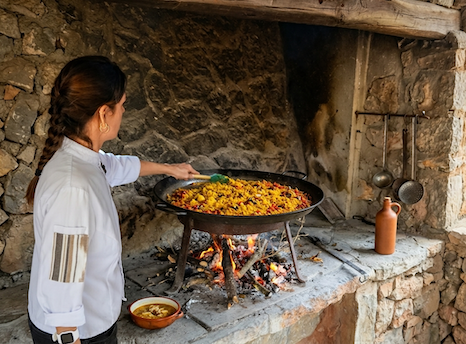 Serra de Tramuntana: Hiking experience & wood-fired paella in EsporlesCheck availability →
Esporles and the mountain cuisine
Esporles, on the slope of the mountains on the way to Valldemossa, is a good base for combining gentle hiking with local cuisine: farmhouse cooking, rice dishes cooked over a wood fire and a kitchen-garden tradition that shows in every dish. It's also one of the most convenient starting points for heading into the stone paths without needing to take the car.
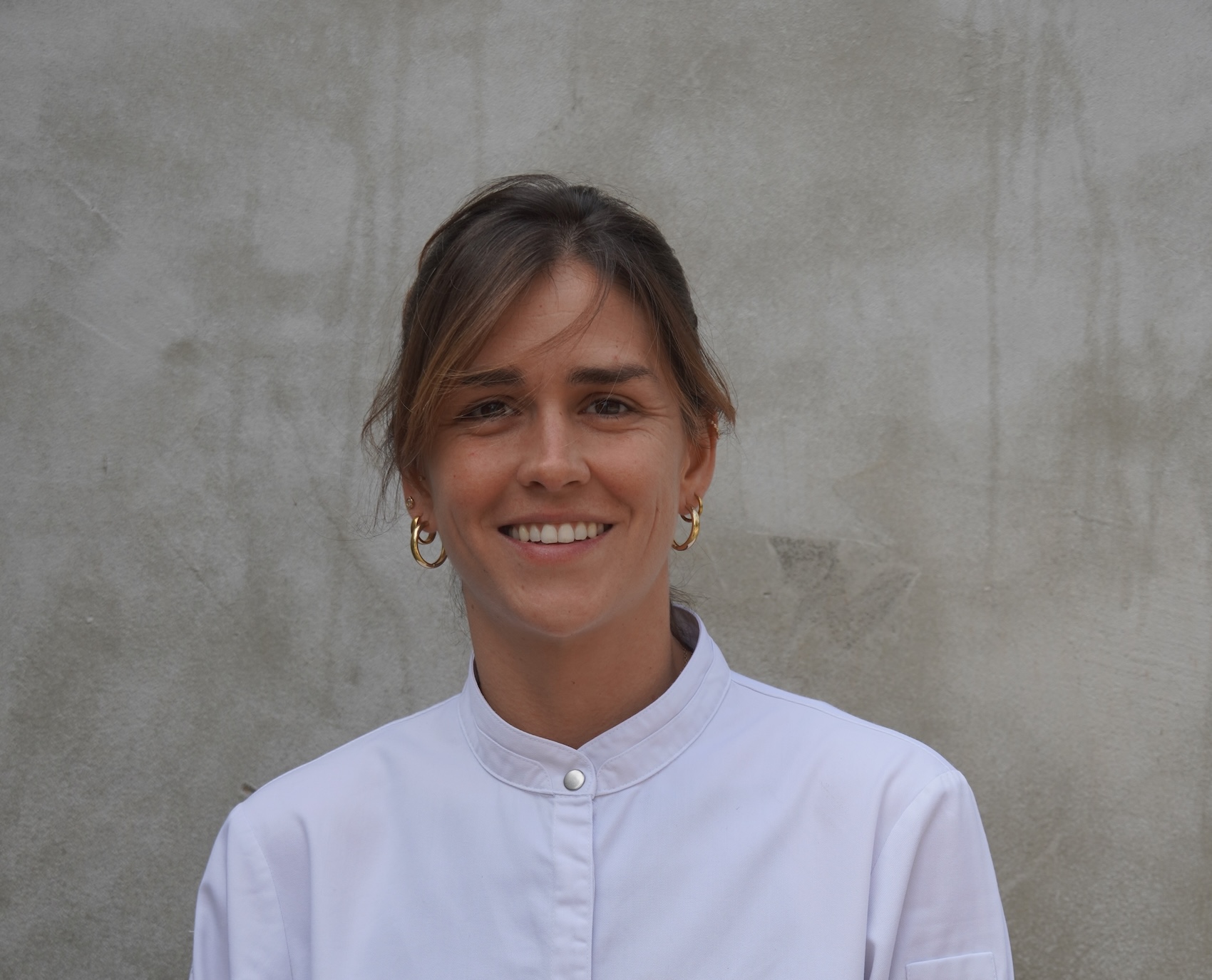 Culinary Masterclass with Chef Aina Aulí: Rice Technique and Secrets in EsporlesCheck availability →
How to get there and practical tips
- By car: the Ma-10 runs the length of the mountains from Andratx to Pollença; it's the main route for linking the villages
- Limited parking in Valldemossa, Deià, Fornalutx and Sa Calobra in high season: arrive early or go by train/bus
- The Sóller train is the most convenient car-free alternative for crossing the mountains from Palma
- Bring hiking shoes, water and sun protection even on short routes: there is little shade on some stretches
- Spring and autumn are the best times to walk; in summer it's best to set out very early because of the heat