The dishes you simply have to try
Mallorcan cuisine grew out of an island that has always been both agricultural and seafaring: pork, dry-farmed vegetables, coastal fish and bread as the base of almost everything. It's a cuisine humble in its origins — from the pig slaughter, the wood-fired oven, using every last scrap — that today is served just as readily in a village tavern as in a Michelin-starred restaurant. These are the dishes that define the island.
- Sobrasada: cured pork sausage, unctuous and slightly spicy, with its own Protected Geographical Indication (PGI). It's eaten spread on bread, grilled, or as an ingredient in other dishes.
- Ensaimada: Mallorca's sweet symbol, a spiral-rolled pastry made with lard (saïm). It's eaten for breakfast, plain or filled with custard cream, candied pumpkin (cabello de ángel) or sobrasada itself.
- Pa amb oli: country bread spread with tomato and olive oil, served with cheese, ham or sobrasada. It's the most common snack or appetizer in any bar on the island.
- Tumbet: seasonal vegetables (aubergine, courgette, potato and pepper) fried in layers and topped with tomato sauce. The quintessential vegetable side dish.
- Frit mallorquí: offal and vegetables sautéed with fennel, typical of local festivals and pig-slaughter feasts.
- Arròs brut: a soupy rice dish with meat, vegetables and mushrooms, one of the most beloved hearty dishes of the island's interior.
- Porcella: whole roast suckling pig, a centerpiece dish at celebrations and Sunday meals in Mallorca's villages.
In Palma's Casco Antiguo it's easy to string several of these stops together in one afternoon, wandering the lanes and squares of the historic center.
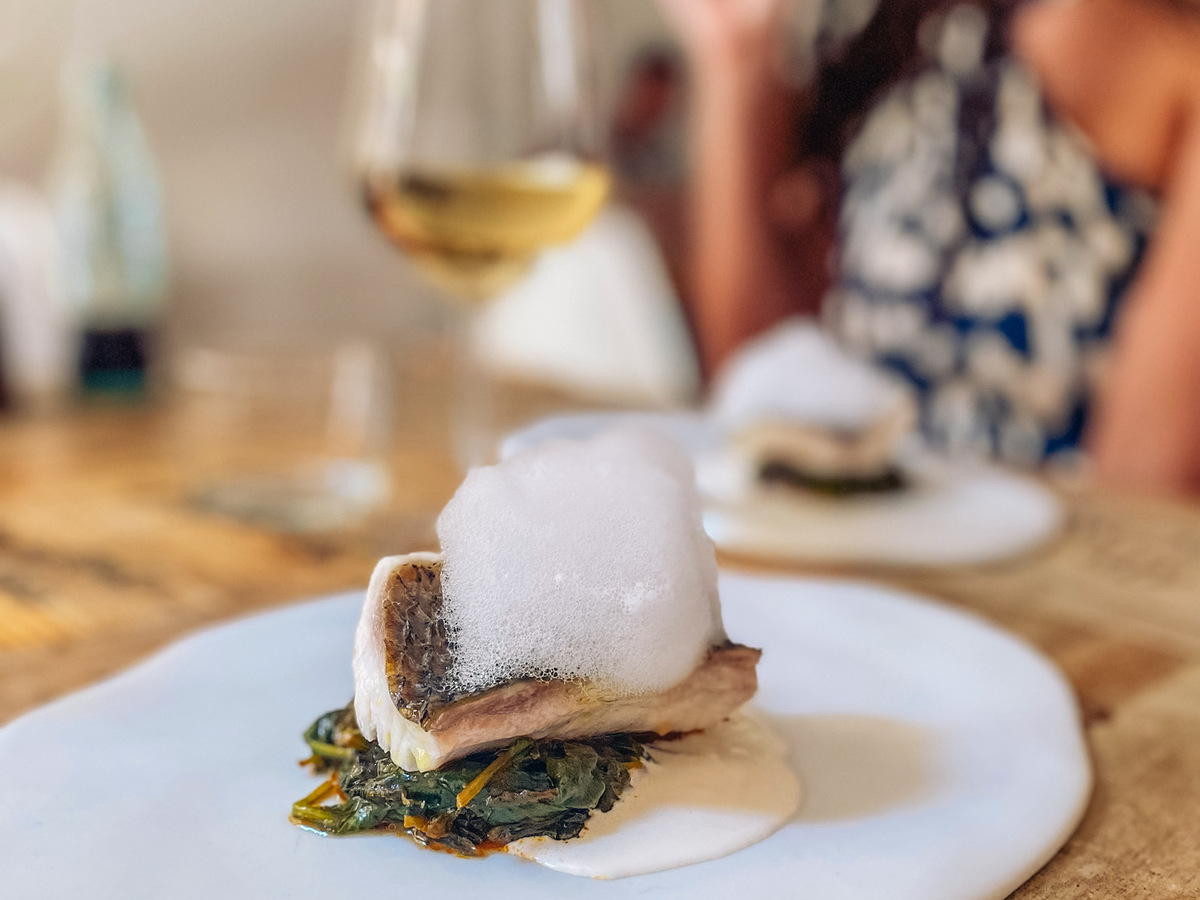 Self-Guided Walking Food Tour through Palma Old TownCheck availability →
Sweets and pastries: beyond the ensaimada
Mallorcan pastry-making carries as much weight as its savory dishes. Gató de almendra, a dense almond cake served with almond ice cream, is a classic dessert on any set menu. Crespells (star- or flower-shaped cookies) and cocas de patata go well with mid-afternoon coffee, and at Easter you'll find panades, pastries filled with lamb or vegetables.
Markets: the best way to snack and buy local produce
Before sitting down to eat, it's worth stopping by a food market: it's where you see the island's real produce — sobrasada, cheeses, aceitunas trencades (cracked olives), fish straight from the auction — and where many stalls serve tapas to eat standing up.
Wine with Denominación de Origen and PGI sobrasada
Mallorca has its own winemaking tradition, with two Denominaciones de Origen: Binissalem, the island's oldest, recognized in 1990 around the municipalities of Binissalem, Santa Maria del Camí, Consell, Sencelles and Santa Eugènia; and Pla i Llevant, recognized in 1999, covering the center and east of the island. Both work with native grape varieties such as manto negro and callet alongside international ones. Sobrasada de Mallorca, in turn, holds its own Protected Geographical Indication, a guarantee that the product is made on the island using the traditional method.
A guided tasting is the most direct way to understand this combination of wine and local produce, pairings included.
 Château Vino de la Isla: Premium 5-Wine Tasting with 5 cold tapas in AlgaidaCheck availability →
Rice dishes, inland cooking and chef experiences
Mallorca's interior — Esporles, Sóller, Sineu, Randa — preserves the island's heartiest cooking: rice dishes, Mallorcan soups (made with bread, not rice) and game stews. It's also where the best hands-on cooking experiences have emerged, with local chefs explaining where each ingredient comes from and how the payés farmhouse kitchens used to work.
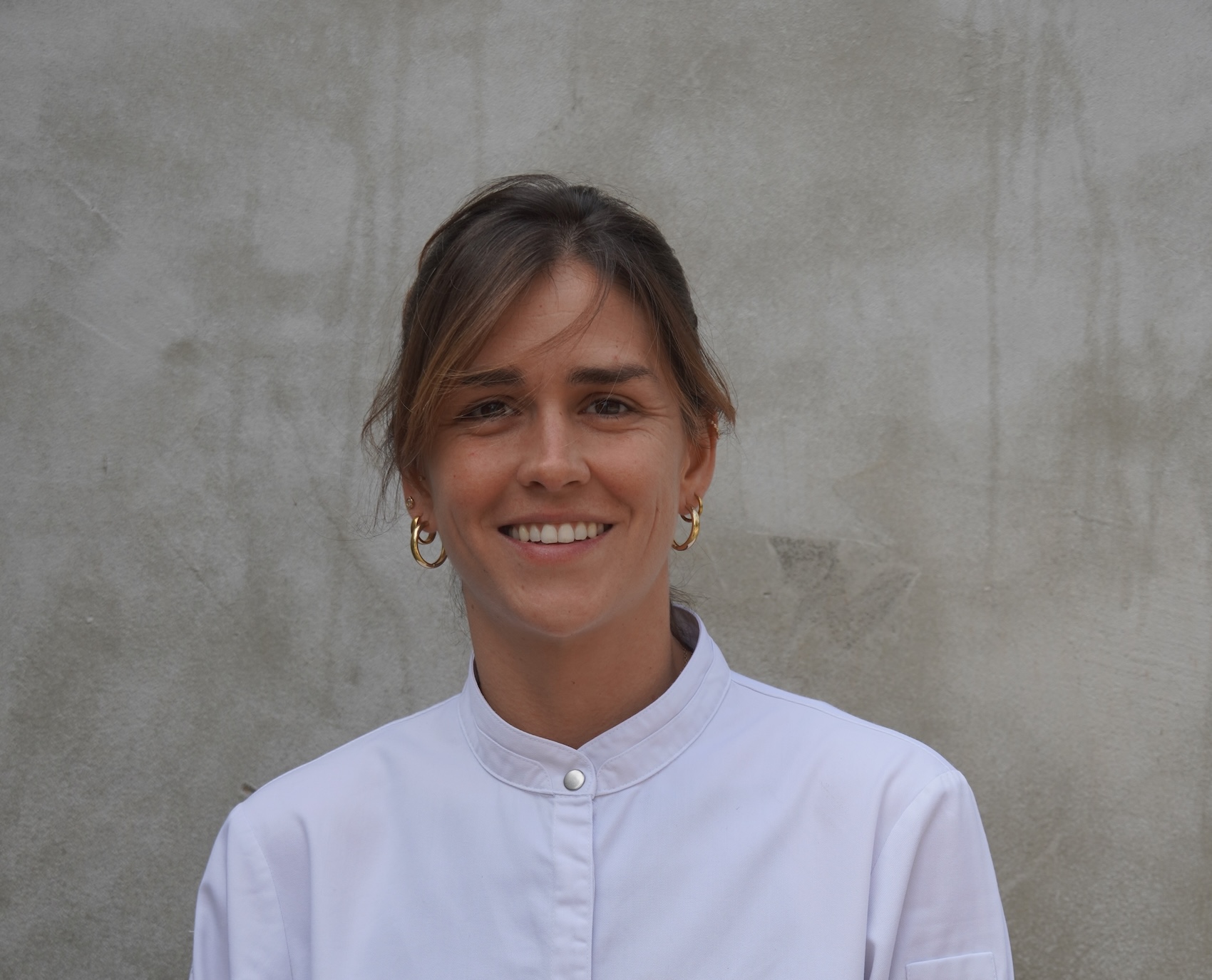 Culinary Masterclass with Chef Aina Aulí: Rice Technique and Secrets in EsporlesCheck availability →
And for anyone wanting to combine nature and food in the same day, the Serra de Tramuntana offers hiking routes that end with a paella cooked over a wood fire, the most authentic way to eat rice in Mallorca.
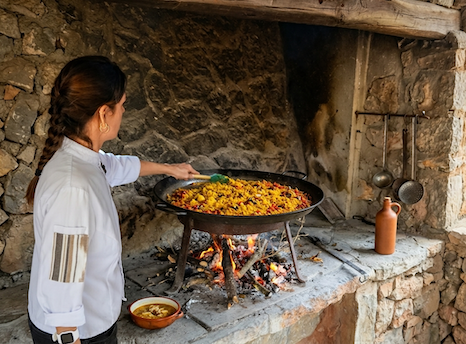 Serra de Tramuntana: Hiking experience & wood-fired paella in EsporlesCheck availability →
Where to eat depending on the area
- Casco Antiguo de Palma: the highest concentration of restaurants, from long-standing taverns to Michelin-starred cooking; ideal for trying several dishes in a single visit.
- Inland villages (Sineu, Petra, Randa, Esporles): more traditional cooking, century-old wine cellars and hearty set menus at more affordable prices than on the coast.
- Ports and coves (Sóller, Cala Ratjada, Portocolom): fish and rice dishes with sea views, the natural choice after a boat trip.