Day 1 in Palma: the Cathedral, the old town and a catamaran sunset
The first day is dedicated entirely to Palma. Start with the Cathedral-Basilica of Mallorca, known as La Seu, the great postcard image of the bay and one of the largest Gothic temples in Europe. From there, the historic centre can be explored on foot at a relaxed pace: the Almudaina, the Calatrava neighbourhood, the Llotja and the shopping streets of Sant Miquel and Jaume III.
 Guided Walking Tour of Palma Old Town including Cathedral VisitCheck availability →
The Cathedral is easy to visit on your own, but a guided tour helps you understand its history and the renovation Gaudí carried out on the main altar in the early 20th century. Book it for first thing in the morning if you're travelling in high season: the midday queues get quite long.
In the afternoon there are two options that don't overlap: head up to Palau March to see the outdoor sculpture collection with views over the bay, or visit the Museu Es Baluard if you prefer contemporary art. Leave time for tapas around Born or Santa Catalina before heading down to the harbour.
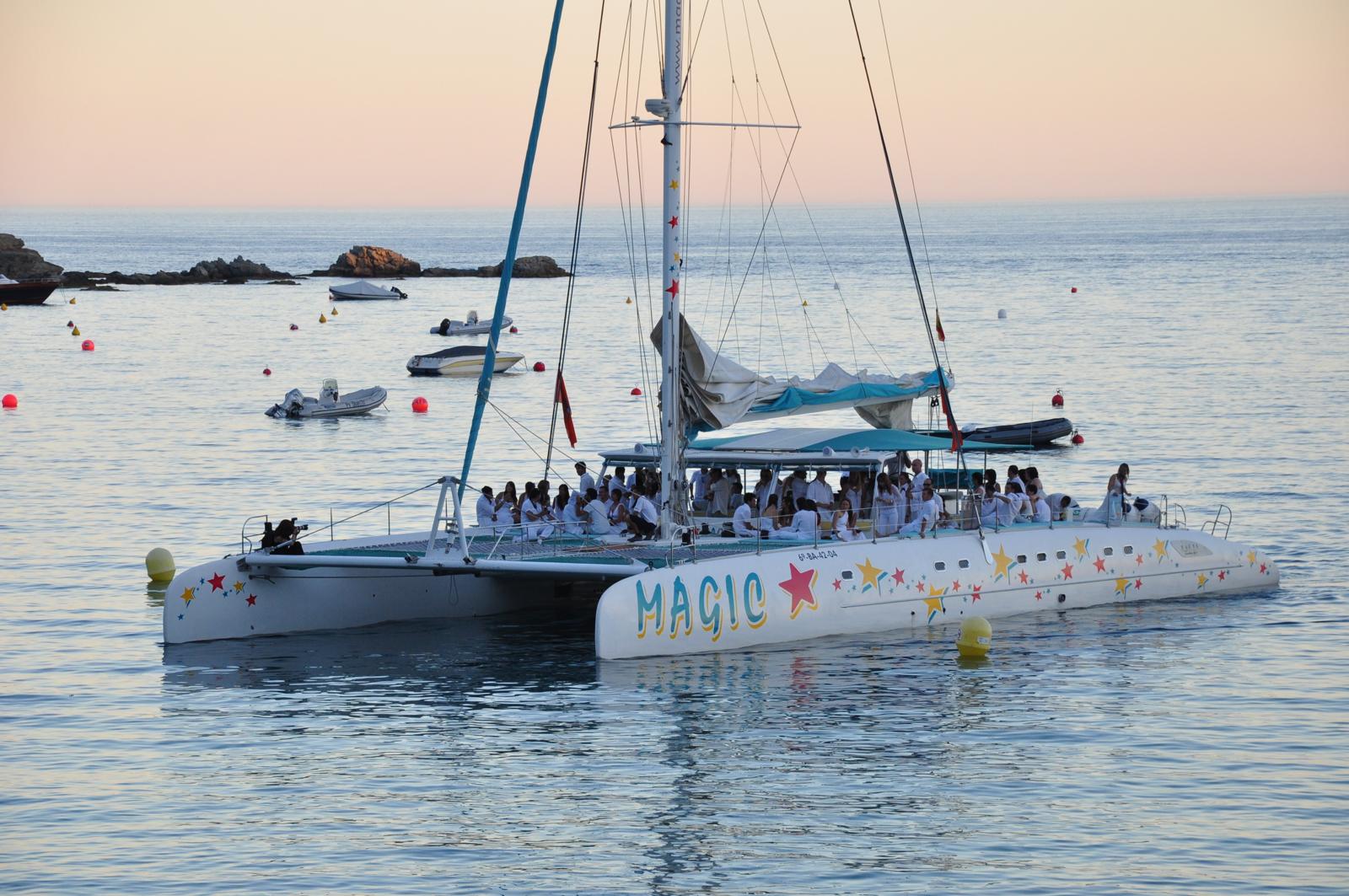 Experience a magical sunset in Palma BayCheck availability →
Ending the first day sailing around the Bay of Palma at sunset is one of the best ways to say goodbye to the city: the Cathedral and Castell de Bellver look stunning from the water, in a light the old town can't match at street level.
Day 2: Serra de Tramuntana, Valldemossa, Deià and the Sóller Train
The second day is for the mountains. The Ma-1110 road that climbs from Palma towards Valldemossa and Deià is narrow, full of curves and one of the most beautiful on the island, so it's worth setting off early and taking your time. Valldemossa can be explored in a couple of hours: the Cartuja, the cobbled streets lined with flowerpots and the viewpoint before heading down into the village. Deià, perched above the sea, is a must-stop to walk to its cemetery with sea views or down to Cala des Cans.
 Premium Tour: Tramuntana Mountains Hidden MarvelsCheck availability →
The highlight of the day is the Sóller Train, the historic wooden train that has been running since 1912 and crosses the mountains through tunnels and viaducts down into the orange-grove valley. Once in Sóller, the century-old tram continues down to Port de Sóller, leaving the whole afternoon free for a swim or lunch by the sea.
- Valldemossa: the Cartuja where Chopin spent a winter, and the viewpoint on the way into the village
- Deià: Mallorca's most photographed stone village, with the cemetery next to the church
- Sóller and its wooden train from 1912, a classic that still runs every day
- Port de Sóller: a horseshoe-shaped beach and a seafront promenade for fresh fish
- Jardines de Alfabia: an optional stop on the old road, with an orchard and shaded ponds
Day 3: Cuevas del Drach and the coves of the east coast
The third day heads down to Porto Cristo, on the east coast, to visit Cuevas del Drach, home to Lake Martel — one of the longest underground lakes in the world — and its live concert performed over the water. It's a visit that captivates children and adults alike, and it's worth booking ahead in July and August.
 Caves of Drach & Porto Cristo: A coastal discoveryCheck availability →
After the caves, Porto Cristo is a good spot for lunch by the harbour and a swim in its cove. If you still have the afternoon free, the coves of the southeast — Cala Figuera, Cala d'Or or Portopetro — are just over half an hour away and are best enjoyed from the water, on a catamaran that links them one after another.
Alternative for the third day: Cap de Formentor
If you'd rather end the trip in the north instead of the east, swap the caves for the road to Formentor: the Es Colomer viewpoint, with Mallorca's most famous view over the Mediterranean, and the lighthouse at the tip of the peninsula. In high season, private car access is restricted for much of the day, so the usual way to get there is the TIB shuttle bus from Port de Pollença.
Practical tips for planning the 3 days
- With a rental car the itinerary is more flexible, especially for the Serra de Tramuntana day; book it ahead in high season, when availability runs low
- Buy Cuevas del Drach tickets and Sóller Train tickets online in advance in July and August: capacity sells out
- May-June and September-October offer good weather with fewer crowds than in peak summer
- If you're travelling with young children, the day of the caves and Porto Cristo tends to work best thanks to the variety of activities and the chance for a swim
- Base yourself in Palma to avoid moving luggage: all three days work well as round trips