The 15 must-visit spots at a glance
- Catedral de Mallorca (La Seu), Palma
- Palma's old town and Palau de l'Almudaina
- Castell de Bellver
- Cuevas del Drach, Porto Cristo
- Tren de Sóller
- Serra de Tramuntana and its hiking trails
- Valldemossa, Chopin's village
- Cap de Formentor and the Mirador des Colomer
- Sa Calobra and the Torrent de Pareis
- Es Trenc, the turquoise beach of the south
- Parque Nacional de Cabrera
- Bahía de Palma at sunset by catamaran
- Alcúdia: old town, walls and bay
- Cala Figuera and Cala d'Or, in the southeast
- Palma Aquarium, a plan with kids
Palma: cathedral, Bellver and the historic old town
Any route around Mallorca starts in Palma, and the skyline you see from the sea already says it all: the Catedral de Mallorca, known as La Seu, dominates the bay with its Gothic façade rising above the water. It's well worth going inside to see the stained-glass windows, Gaudí's canopy and Miquel Barceló's luminous intervention in the Capilla del Santísimo. Right next door, the Palau de l'Almudaina and the maze of narrow streets in the old town — Born, Sa Llotja, the Jewish quarter of El Call — can easily be explored on foot in a morning. A short walk or city bus ride away, the Castell de Bellver crowns the city with its circular layout, unique in Spain, and the best panoramic views of the bay.
Cuevas del Drach, the underground jewel of Porto Cristo
On the east coast, the Cuevas del Drach are one of the island's most-repeated visits, and for good reason: almost a kilometre of walkways among stalactites leading to Lago Martel, one of the largest underground lakes in Europe, where a small classical music concert plays from an illuminated boat as you cross the water. It's worth booking a timed entry slot, especially in high season, since groups enter in shifts and the first and last sessions of the day tend to be less crowded.
 Caves of Drach & Porto Cristo: A coastal discoveryCheck availability →
Tren de Sóller and the Serra de Tramuntana
The Tren de Sóller, running since 1912, is an attraction in its own right: original wooden carriages passing through tunnels and orange groves with the Serra de Tramuntana in the background, before arriving in the Sóller valley. The Serra, declared a Unesco World Heritage Site, is the big draw for hikers: trails between dry-stone villages, centuries-old olive groves and viewpoints over the Mediterranean, with Deià, Fornalutx and Banyalbufar as must-stop villages along the way.
 Premium Tour: Tramuntana Mountains Hidden MarvelsCheck availability →
Valldemossa and Sa Calobra
Valldemossa, with its stone façades and pots of geraniums, is a classic Tramuntana stop ever since Chopin and George Sand spent the winter of 1838-39 here at the Cartuja. Further north, Sa Calobra and the Torrent de Pareis are the kind of postcard views that are hard to believe are real: a zigzagging road descends to a cove wedged between rock walls, which can also be reached by boat from Puerto de Sóller, a much more relaxed way to take in the scenery without the hairpin bends.
Cap de Formentor and its viewpoint
At the island's northern tip, the Formentor road winds along cliffs to the lighthouse, with the Mirador des Colomer as a must-stop photo spot over the islets and the almost impossibly blue sea. It's the perfect excursion to combine with Port de Pollença or the Alcúdia market.
 Half-day Tour Formentor, cliffs and beachCheck availability →
Es Trenc and Parque Nacional de Cabrera
Es Trenc, on the south of the island, is the beach everyone shows off in photos: fine white sand, protected dunes and turquoise water reminiscent of the Caribbean, with hardly any buildings around it since it's part of a protected natural area. Off the coast, the Cabrera archipelago is a national park only reachable by boat, almost always from Colònia de Sant Jordi: crystal-clear seabeds, the Cueva Azul and a setting that remains nearly untouched precisely because of its limited access.
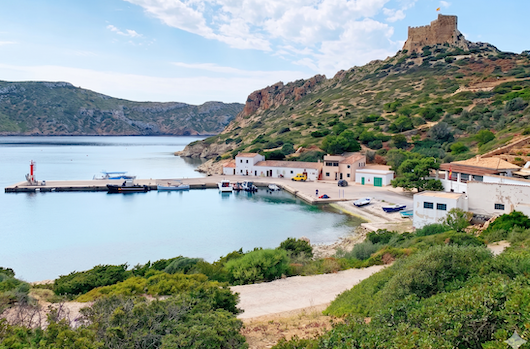 Visit to Cabrera Island by speedboat from Colonia Sant JordiCheck availability →
Bahía de Palma, Alcúdia and the coves of the east
Back in Palma, watching the sunset from a catamaran in the bay is one of those plans that appeals to any type of traveller, with the Cathedral and Castell de Bellver silhouetted against the sky. In the north, Alcúdia keeps its medieval walled enclosure and a calm bay ideal for families; in the southeast, Cala Figuera and Cala d'Or are perfect examples of fishing harbours turned into postcard coves, with whitewashed houses and calm waters, much sought after for catamaran trips or dolphin watching.
With kids: Palma Aquarium
If you're travelling with kids, Palma Aquarium is a safe bet for a hot day: sharks, the underwater tunnel and activities designed for families, just minutes from central Palma.