When to go to Mallorca depending on the climate
Mallorca has a Mediterranean climate with mild winters and hot, very dry summers. January and February are the coldest months, with highs of around 15°C and lows of 5°C; from March onwards temperatures rise progressively until reaching their peak in July and August, when highs hover around 30°C and lows don't drop below 19°C.
Rainfall follows a very distinct pattern: July is the driest month of all, with barely 6.7 mm of average rainfall, while November is the wettest, with 54.8 mm. Between these two extremes, spring brings moderate rain and autumn sees a good share of the year's storms, especially in September and October.
Summer (June-September): beach, warm sea and maximum activity
If your priority is the beach, summer is the clear choice. Between June and September the sea stays above 22°C, peaking in August, and the long daylight hours are perfect for catamaran trips, snorkeling, or simply lying on coves like Es Trenc or Cala Mondragó. It's also the official high season in the Balearic Islands, with all tourist services running at full capacity and the liveliest atmosphere of the year, between local patron saint festivals and open-air concerts. The trade-off is what you'd expect: more people, higher accommodation prices, and intense midday heat, especially in July and August.
 Mediterranean attraction: Sail the Bay of Palma on a modern catamaranCheck availability →
For families with children, summer is also the best window for combining the beach with water parks or aquariums, activities designed for the hottest days when you feel like cooling off in the water in the mid-afternoon.
 Palma Aquarium admission ticketsCheck availability →
Spring (March-May): nature, hiking and fewer tourists
For many regular travelers, spring is the real best time to get to know Mallorca in depth. Temperatures rise comfortably —from an average of 12°C in March to 18°C in May— without reaching the sweltering heat of summer, making it the ideal time to hike through the Serra de Tramuntana, a UNESCO World Heritage Site, or get around the interior of the island by bike. Added to this is a spectacle that lasts only a few weeks: between late January and March the fields turn white with almond blossom, a phenomenon very characteristic of the island that draws increasing numbers of nature tourists. Flight and accommodation prices drop compared to summer, and charming beaches and villages like Valldemossa or Deià can be enjoyed without the crowds of July and August.
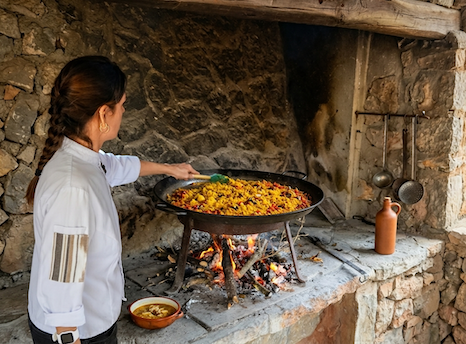 Serra de Tramuntana: Hiking experience & wood-fired paella in EsporlesCheck availability →
Autumn (September-November): the best-kept secret
September and the first half of October are probably the most balanced time of year: the sea is still warm (an average of 23.2°C in October), the atmosphere in the coves relaxes after the mass departure of August, and prices start to drop. From mid-October and into November the weather becomes more unsettled, with a higher chance of rain, but also with mild temperatures that still invite walking, dolphin watching, or exploring the coast by boat without the summer crowds. It's a highly recommended season for those who prioritize tranquility and don't rely exclusively on swimming in the sea.
.jpg) Palma Bay Dolphin WatchingCheck availability →
Palma Bay Dolphin WatchingCheck availability →Winter (December-February): culture, gastronomy and low prices
Mallorcan winter is mild by European standards, with highs of 15-16°C and cool but rarely unpleasant nights. It's not beach season, but it is an excellent time to discover Palma without queues, enjoy the local gastronomy at a relaxed pace, visit Christmas markets, or venture into the island's caves, whose interior temperature stays stable all year round regardless of the weather outside. Flights and hotels reach their lowest prices, and the villages of the Tramuntana take on a different, almost silent charm, far removed from the summer bustle.
 Caves of Drach & Porto Cristo: A coastal discoveryCheck availability →
Which season should you choose depending on what you're looking for?
- Beach and swimming in the sea: June to September, with the warmest sea in August.
- Fewer tourists and good value for money: May, June and September.
- Hiking, cycling and nature: March to May and October-November, avoiding the extreme summer heat.
- Tight budget: November to February, with the lowest prices of the year.
- Culture, gastronomy and city tourism in Palma: all year round, especially comfortable from October to April.